
Dynamic Deterrence: Professionalizing Asset Protection in Vancouver (Part 2)
In Part 1 of this series, we explored the dangerous reality of the 40% surge in violent retail crime in downtown Vancouver and the severe legal risks of allowing untrained staff to intervene. In this second installment, we focus entirely on the solution.
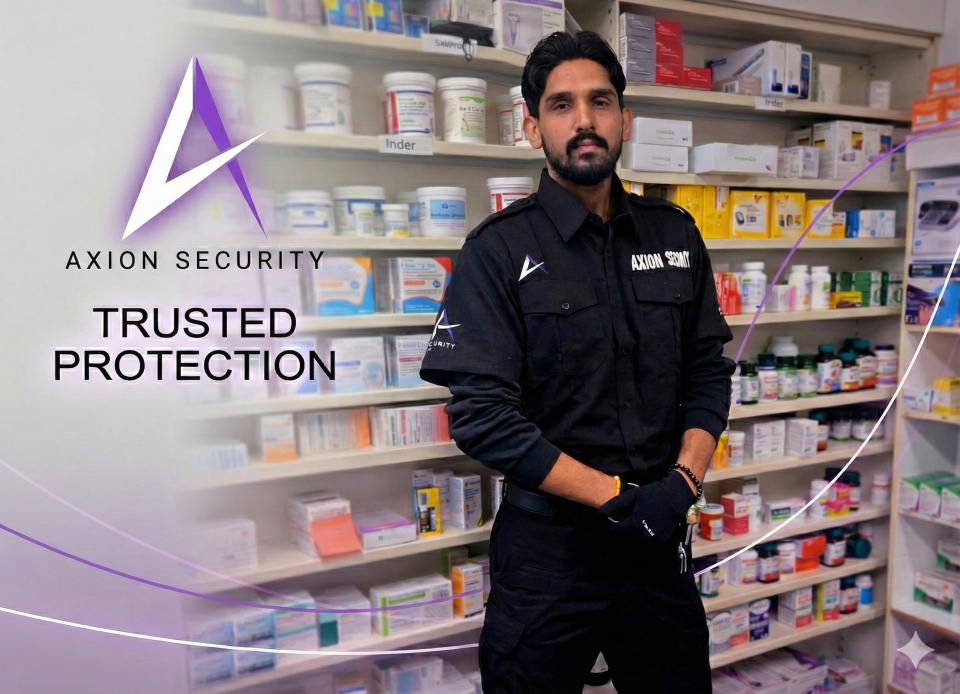
We will define “Dynamic Deterrence,” explain the critical difference between a security guard and a Loss Prevention Officer (LPO), and show how professionalizing your response creates a necessary buffer between organized crime and your business.
So, how do we protect assets in a high-surge environment without incurring massive liability? The answer lies in professionalizing the response. At Axion Security, we deploy a strategy we call Dynamic Deterrence.
What is Dynamic Deterrence?
It is an active, fluid approach to security that involves constant movement, engagement, and assessment. An Axion Loss Prevention Officer (LPO) does not just watch; they manage the energy of the store.
1. The Professional LPO: More Than a Guard
An Axion LPO is a specialist in Asset Protection. They have undergone Advanced Security Training (AST), which includes specific modules on the Criminal Code of Canada, use of force theory, and handcuffing techniques.
- Tactical Communication (Verbal Judo): The most powerful tool on an LPO’s belt is not handcuffs; it is their voice. Our officers are trained to de-escalate volatile individuals before they enter the “red zone.”
- Legal Authority: Our team knows exactly where the line is drawn between a lawful arrest and an assault. They operate strictly within the bounds of the Criminal Code.
- Physical Capability: While we prioritize de-escalation, the reality of downtown Vancouver requires the capability to physically manage a threat if safety is compromised.
2. Integration with Store Operations
Effective Loss Prevention is not a silo; it is part of your operations. Our LPOs integrate with your staff, learning the specific flow of your Gastown boutique or Yaletown showroom.
We identify “hot spots” (blind corners, high-value shelves) and adjust patrol patterns to cover them. We also train your staff on how to signal us discreetly. This creates a unified front where the thief feels watched not just by a camera, but by the entire environment.
3. Documentation and Evidence Continuity
One of the major frustrations for business owners is the “catch and release” cycle. Police often cannot charge offenders because the evidence is weak.
When an arrest is made by Axion, the paperwork is professional. We provide:
Incident Reports: Detailed, court-ready narratives of the event.
- Video Continuity: Securing CCTV footage and creating a timeline that proves the offence.
- Witness Statements: Gathering accounts from staff immediately.
This “prosecution package” makes it easy for the VPD to recommend charges to the Crown Counsel, contributing to the long-term removal of chronic offenders from the streets.
The ROI of Professional Security
You must calculate the Total Cost of Risk:
1. Direct Loss: The retail value of stolen goods (which is rising).
2. Indirect Loss: Staff turnover and hiring costs due to trauma.
3. Liability Loss: The potential legal settlement from a bad citizen’s arrest.
When viewed through this lens, the cost of a professional LPO who can deter theft and prevent liability is significantly lower than the cost of doing nothing.
Conclusion: Securing Your Business in a Changing City
The 40% surge in shoplifting and the rise of organized retail crime in Vancouver are not temporary blips; they are structural changes in the operating environment of our city. Ignoring this reality by relying on outdated policies is a strategy for loss.
Your staff deserve to feel safe at work. Your inventory deserves to remain on the shelves until it is sold. It is time to move beyond passive security.
Is your current security strategy ready for the new reality of downtown Vancouver?
Contact Axion Security for a threat assessment and let us build a defence strategy that protects your bottom line.