Why Traditional Loss Prevention is Failing Downtown Vancouver: The 2026 Intelligence Gap
Retail crime in Downtown Vancouver spiked 40% in 2025, driven by organized crime rings that treat theft as a logistics business rather than petty shoplifting. Traditional security models are failing because they create an “enforcement vacuum”, the gap between witnessinga crime and providing the SKU-level data required for prosecution.
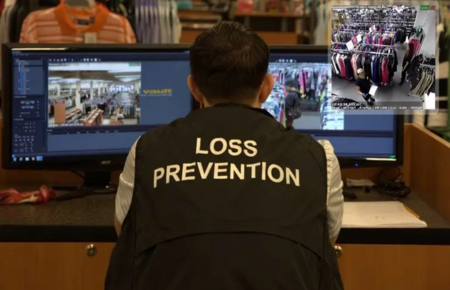
Axion Security fills this gap by shifting from passive deterrence to active intelligence gathering, aligning specifically with the VPD’s Project Barcode initiatives.
The 2026 Pivot: From Shoplifting to Logistics
As we move through the first quarter of 2026, the data from the Vancouver Police Department (VPD) confirms a harsh reality: the casual shoplifter is no longer the primary threat to retail viability. In neighborhoods like Mount Pleasant, the West End, and the Downtown Core, theft has evolved into a sophisticated logistics operation.
For organized crime rings, a retail storefront is simply an unsecured warehouse. These groups don’t steal for personal use; they steal to feed fencing operations underground resale networks that move bulk inventory onto digital marketplaces or across provincial lines within hours.
In this environment, the traditional scarecrow security guard is an obsolete deterrent. If your security strategy relies on a physical presence without data-driven backing, you aren’t stopping a crime; you are merely a witness to a business transaction you didn’t authorize.
The Security Gap and the Enforcement Vacuum
The primary reason traditional loss prevention is failing in 2026 is the existence of the Enforcement Vacuum. This is the space where retail staff are instructed not to intervene for safety, and police are unable to act due to a lack of specific, actionable evidence.
Historically, security reports have been anecdotal: A male in a red hoodie took three jackets. To a detective in 2026, this is noise. Axion Security fills this vacuum by transforming the role of the guard into an Intelligence Analyst.
Instead of anecdotal logs, we focus on SKU-level theft details. By tracking exactly which items are being targeted, we provide the bulk theft evidence required to elevate a simple shoplifting incident into a felony-level investigation into organized crime.
Actionable Advice: Implementing Intelligence Gathering
To protect your bottom line in this new climate, Vancouver retailers must shift their focus from stopping the person to securing the data.
- Demand SKU-Level Reporting: Your security team should be integrated with your inventory management. If an item is taken, the report must include the specific SKU and retail value. This allows police to link the theft to larger “fencing” seizures where bulk goods are recovered.
- Capture the Supply Chain: professional thieves use “scouts” and “drivers.” Axion Intelligence-Led guards are trained to look outward, capturing license plates and identifying lookouts on the perimeter. This provides the VPD with the full picture of the organized ring, not just the booster inside the store.
- Bridge the Evidence Continuity: The catch and release cycle ends when evidence is undeniable. Axion provides a digital Evidence Package for every major incident, including high-resolution facial captures, timestamped video continuity, and sworn statements that are ready for Crown Counsel review.
The ROI of Intelligence vs. Deterrence
In 2026, security is no longer a grudge purchase or a flat overhead cost. It is a strategic investment in inventory recovery. The cost of a passive guard who fails to provide actionable evidence is the total retail value of your lost goods plus the cost of the guard. The ROI of an Axion Intelligence Partner is measured in the disruption of the theft cycle and the successful prosecution of chronic offenders.
The ROI of Intelligence vs. Deterrence
The 40% spike in downtown retail crime isn’t a temporary trend; it is a signal that the rules of engagement have changed. Traditional loss prevention is failing because it treats a logistics problem with a physical solution.
Axion Security represents the next phase of asset protection in British Columbia. By filling the gap between the storefront and the legal system, we provide Vancouver businesses with the intelligence they need to not only deter theft but to dismantle the organized rings that cause it.
Is your current security provider catching thieves, or are they just watching your inventory leave the building? It is time to close the gap.